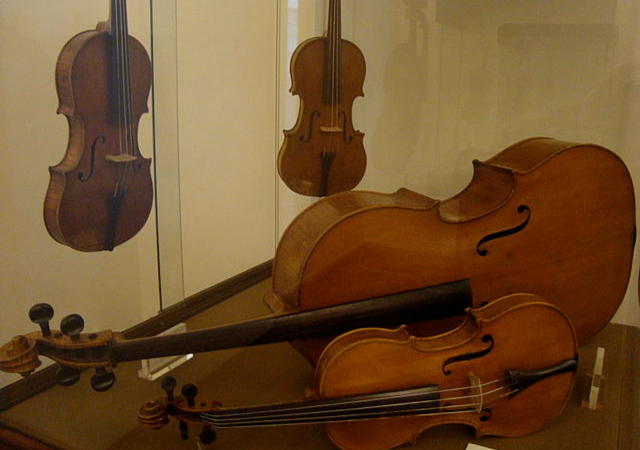
The Cello
The deep voice of the orchestra

Welcome to our “Instrument of the Month” series!
Every month we introduce an orchestral instrument—from its origins to its unique sonic characteristics. This time we focus on a true sound wonder of depth: the cello.

Its warm, full tone makes it unmistakable—and its voice ranges from melancholic to majestic. An instrument that makes the body vibrate and touches the heart.
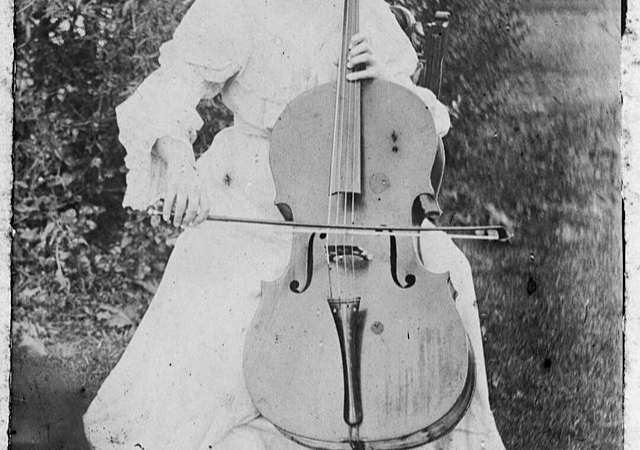
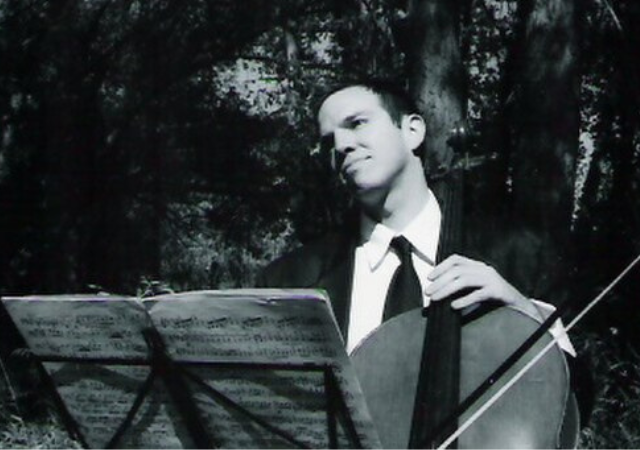
Origin: From the Viola da Gamba to the Concert Stage

The cello – or violoncello – evolved in the 16th century from the viola da gamba and quickly became an indispensable part of the orchestral landscape during the Baroque era. With its four strings tuned in fifths (C–G–D–A), it spans a wide tonal range, from a sonorous low register to heights approaching those of the violin.

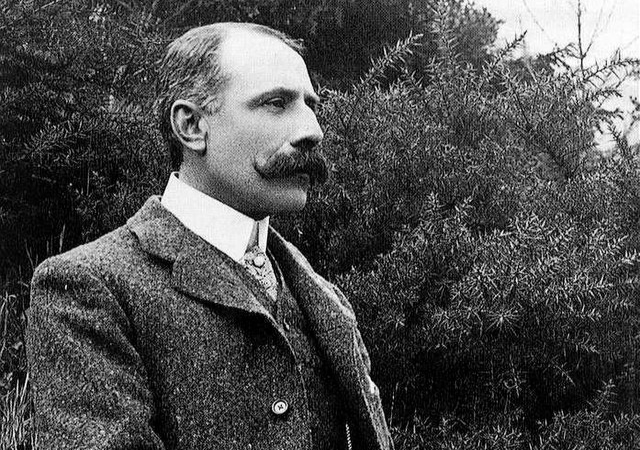
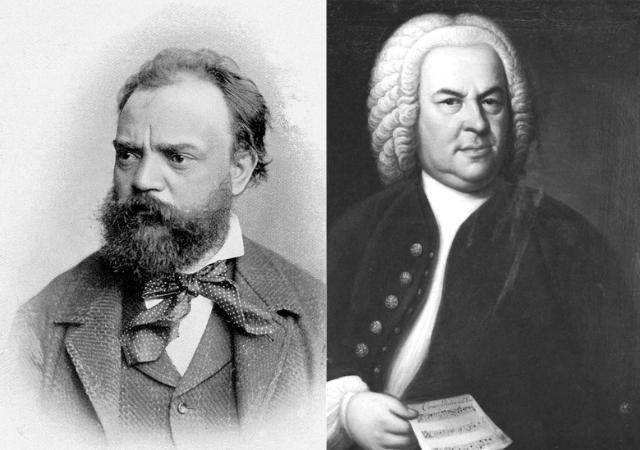
Renowned luthiers such as Matteo Goffriller and Carlo Bergonzi shaped its tone – just as composers who early recognized its solo potential did: J.S. Bach, Haydn, Schumann, and Elgar composed works that remain standard repertoire to this day.

Function: The Soul of the String Family

In the orchestra, the cello serves as a central link between the double bass and the viola – providing harmonic depth and rhythmic stability, while often carrying melodic lines.

Unlike the violin, which frequently takes the lead, the cello plays a supporting and mediating role – it binds the sound structure together and provides the emotional foundation.

The cello is especially popular in Romantic music and film scores when a scene needs to sound emotionally charged or “deeply human” – its voice is like a warm breath within the ensemble.

Sound Profile: Warm, expressive, deeply touching

The cello is regarded as the “most human” of all string instruments – its range lies close to the human voice, especially in the alto and baritone registers.

Its sound can be soft and sustaining, passionate and dark, yet also light and dance-like. It is well suited both for expressive solos and for dramatic accompaniment.

The playing technique allows for extreme expressive variety: legato, pizzicato, vibrato – all of which shape a tone that is not only heard, but physically felt.

Listening Sample: The Cello as Soloist and Sonic Foundation

For those who wish to experience the cello in all its depth, we recommend Bach’s Cello Suites, Dvořák’s Cello Concerto, or Elgar’s Cello Concerto in E minor.

Even in the Viennese Classical tradition, the cello holds a central position – for instance in Mozart’s Divertimenti, Haydn’s Cello Concertos, or Beethoven’s Symphonies.

In the performances of the Vienna Residence Orchestra, the cello serves as both accompanist and storyteller – particularly felt in lyrical waltzes, sustained arias, and intimate chamber music moments.

In the orchestra, the cello provides a central link between the double bass and the viola – offering harmonic depth and rhythmic stability, while often carrying melodic lines.

Unlike the violin, which frequently takes the spotlight, the cello plays a more supportive and mediating role – it binds the sound structure together and supplies the emotional foundation.

Especially in romantic music and film scores, the cello is commonly used to evoke deeply emotional or “humanly profound” scenes – its voice acts like a warm breath within the ensemble.

In Film and Pop Culture: Famous Solo Pieces for the Cello

The cello has inspired composers throughout music history to create solo masterpieces that showcase the instrument’s full range of tone and expression. Among the best-known and most iconic works are Johann Sebastian Bach’s Six Suites for Solo Cello, regarded as the pinnacle of polyphonic composition and a fundamental challenge for every cellist. Equally influential is Antonín Dvořák’s Cello Concerto in B minor, celebrated for its profound melancholy and lyrical beauty, and Edward Elgar’s Cello Concerto in E minor, a work brimming with passion and English soul, often hailed as one of the most moving pieces in the repertoire. These works are not only technical showpieces but also emotional narratives that highlight the cello’s incomparable voice.

Experience Live – with the Vienna Residence Orchestra

Our cellists make the instrument sing—and resonate. Whether as part of the string ensemble or with a warm solo: the cello gives every concert a special depth.

Its sound blends organically into the overall texture—and yet stands on its own. It is the calm pulse in the music, the sustaining tone beneath the melody.

In the Vienna Residence Orchestra, the cello is not just a foundation—it is a living expression of emotion, history, and Viennese sound culture.