Frequently Asked Questions
about Classical Music

What exactly does a conductor do? Why is the waltz danced in ¾ time? And what’s the difference between Mozart and Strauss?

Many people ask themselves these kinds of questions about classical music—whether it’s before a concert, while listening to music, or simply out of curiosity.

Here, we provide the answers: concise, easy to understand—and with a wink.
Why is a waltz in 3/4 time?

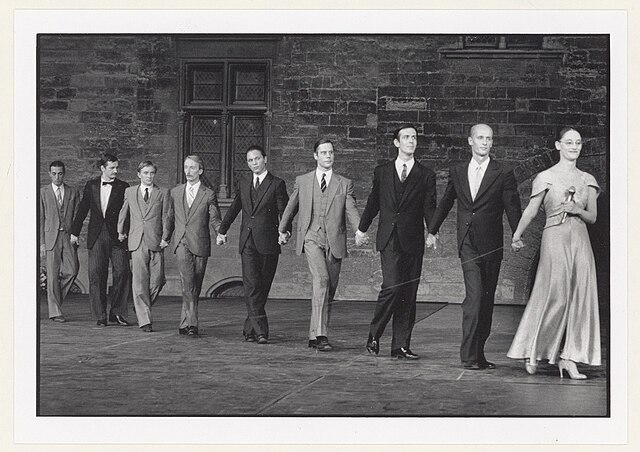
The waltz was originally a social dance—flowing, sweeping, and elegant. For couples to be able to turn in a circle, a “swaying” rhythm is needed. The ¾ time signature provides exactly that: one-two-three, one-two-three—the sound of the dance. This time signature creates a natural momentum that supports the turning motion.

Johann Strauss II perfected this form by bringing the waltz from the ballrooms to the concert stage. He not only refined the musical structure but also gave the genre splendor, wit, and virtuosity. Today, the ¾ time signature is inseparably linked with Vienna and the waltz—a living piece of musical heritage that stands for joie de vivre and elegance worldwide.

What is the difference between Strauss and Mozart?

Mozart was a musical prodigy of the 18th century—classical, intricate, and versatile. He composed symphonies, operas, chamber music, and piano works with extraordinary clarity and depth. Johann Strauss, on the other hand, shaped the 19th century with captivating rhythms, waltzes, polkas, and operettas. He became known as the “Waltz King” and made dance music a staple of high society.

While Mozart touches the soul, Strauss gets the audience moving. To put it another way: Mozart captures the heartStrauss moves the feet. Both shaped Vienna musically, just in very different ways. Mozart was a master of expression and form; Strauss, a virtuoso of entertainment and atmosphere.

What does a conductor actually do?

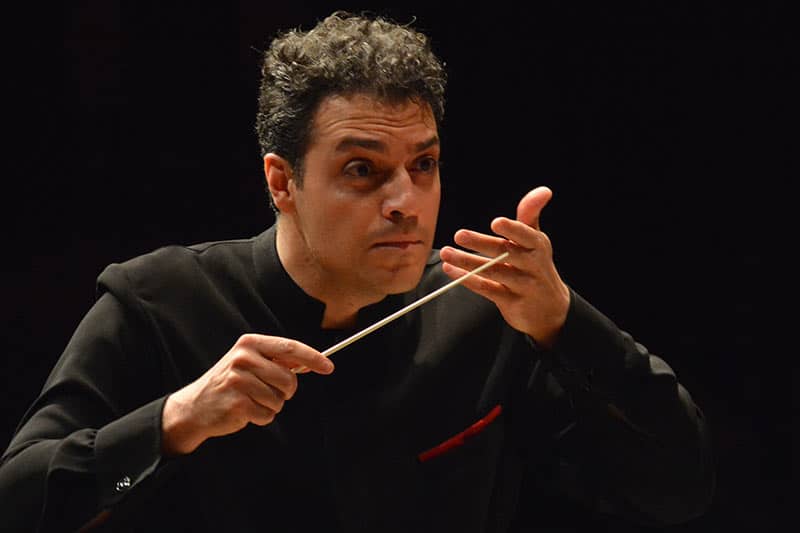
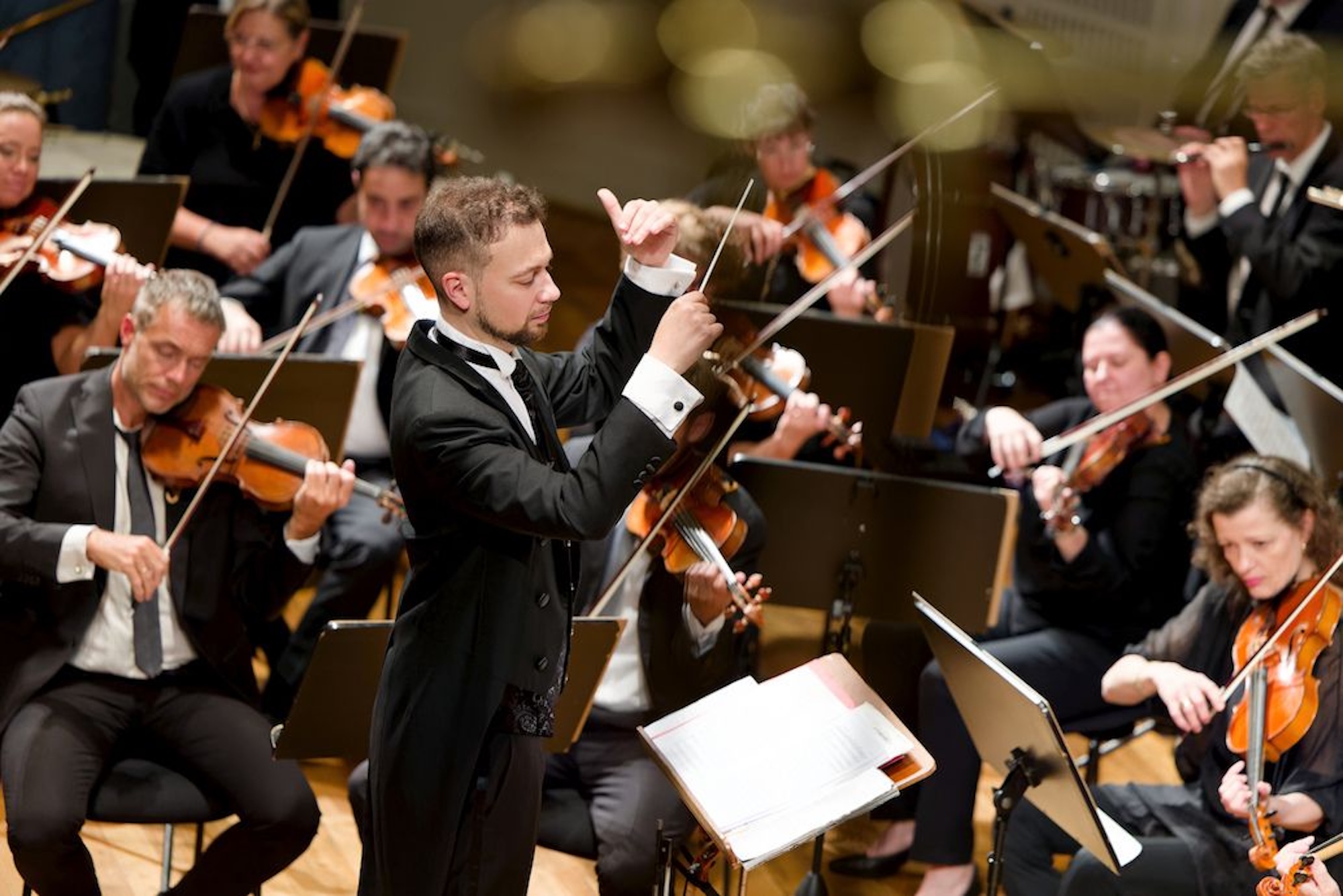
More than many think! The conductor doesn’t just set the beat, but shapes the entire soundscape. He decides on tempo, dynamics, and expression—and holds the orchestra together like an invisible thread. Every cue, every movement has meaning. A good conductor inspires, motivates, and coordinates.

He reads not only the score but also his musicians—often in fractions of a second. He is a coach, interpreter, architect—and sometimes a psychologist, too. Without him, an orchestra sounds like many individual voices. With him, it becomes a unified whole.

Famous conductors like Herbert von Karajan, Leonard Bernstein, or Riccardo Muti have shown that conducting is not just a craft, but also charisma, body language, and emotional intelligence.

Incidentally, not every conductor uses a baton. Some prefer to work with their bare hands to communicate with the orchestra more flexibly, directly, and physically. Body language then becomes the most important means of expression.

Giuseppe Montesano

What exactly is an operetta?

The operetta is something like the little sister of the opera: shorter, lighter, more entertaining—and often with a wink. It combines singing, acting, and dance, tells humorous stories, and always has a spark of Viennese charm.

Johann Strauss was one of the great masters of the operetta. His work, Die Fledermaus, is still considered the epitome of the genre today—musically brilliant, witty, and full of joie de vivre. Anyone who wants to know how Strauss transformed the Viennese spirit into music should start right here. The operetta is not a “small format”—it is an art form with humor, depth, and emotion.

Gruppe junger Frauen in Operettenkostümen, lachend und entspannt in der Garderobe.
Die letzten Handgriffe vor dem Auftritt

What is classical music?

The term “classical music” is often used as an umbrella term, but strictly speaking, it refers to European art music from the Baroque, Classical, Romantic, and Modern eras. The “Classical” period in the narrower sense refers to the time from about 1750 to 1830—the era of Mozart, Haydn, and Beethoven.

But classical music is more than just an era: it stands for structure, expression, and masterful craftsmanship—and for a musical language that continues to move people to this day. Many film composers, pop musicians, and jazz artists have been inspired by classical music—it lives on in new forms and styles.

What is the difference between an ensemble and an orchestra?

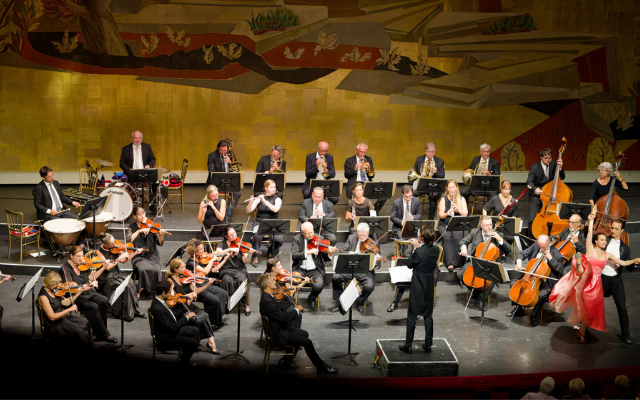
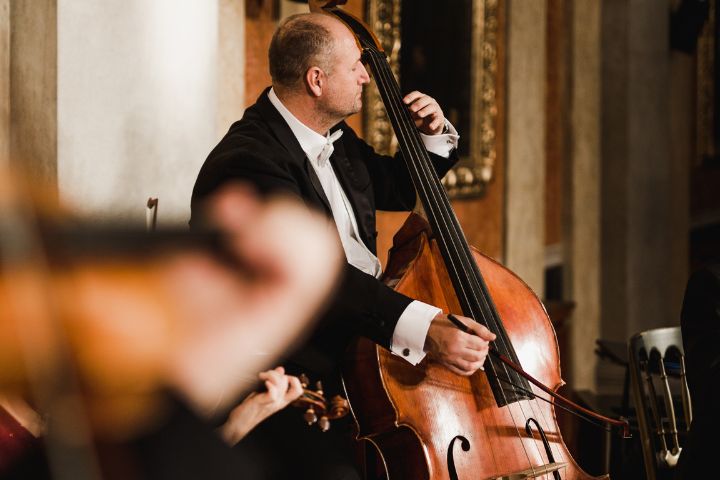
An orchestra usually consists of 40 to over 100 musicians. It is divided into different sections—strings, woodwinds, brass, and percussion—and performs large symphonic works. A classic example: Beethoven or Mahler.

A chamber orchestra is smaller—often 10 to 30 musicians—and typically does not require a conductor. They mostly play music from the Baroque or Classical periods, which was originally intended for smaller rooms (“chambers”).

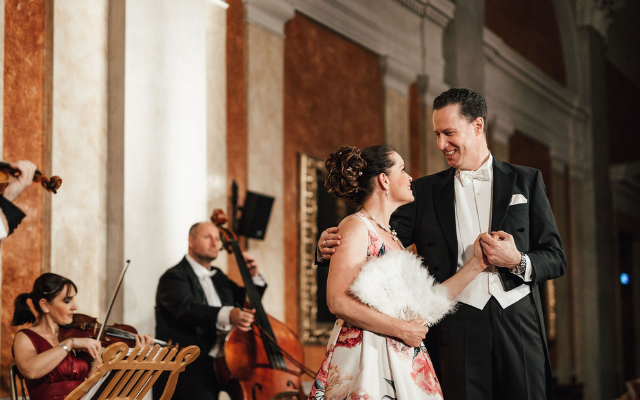
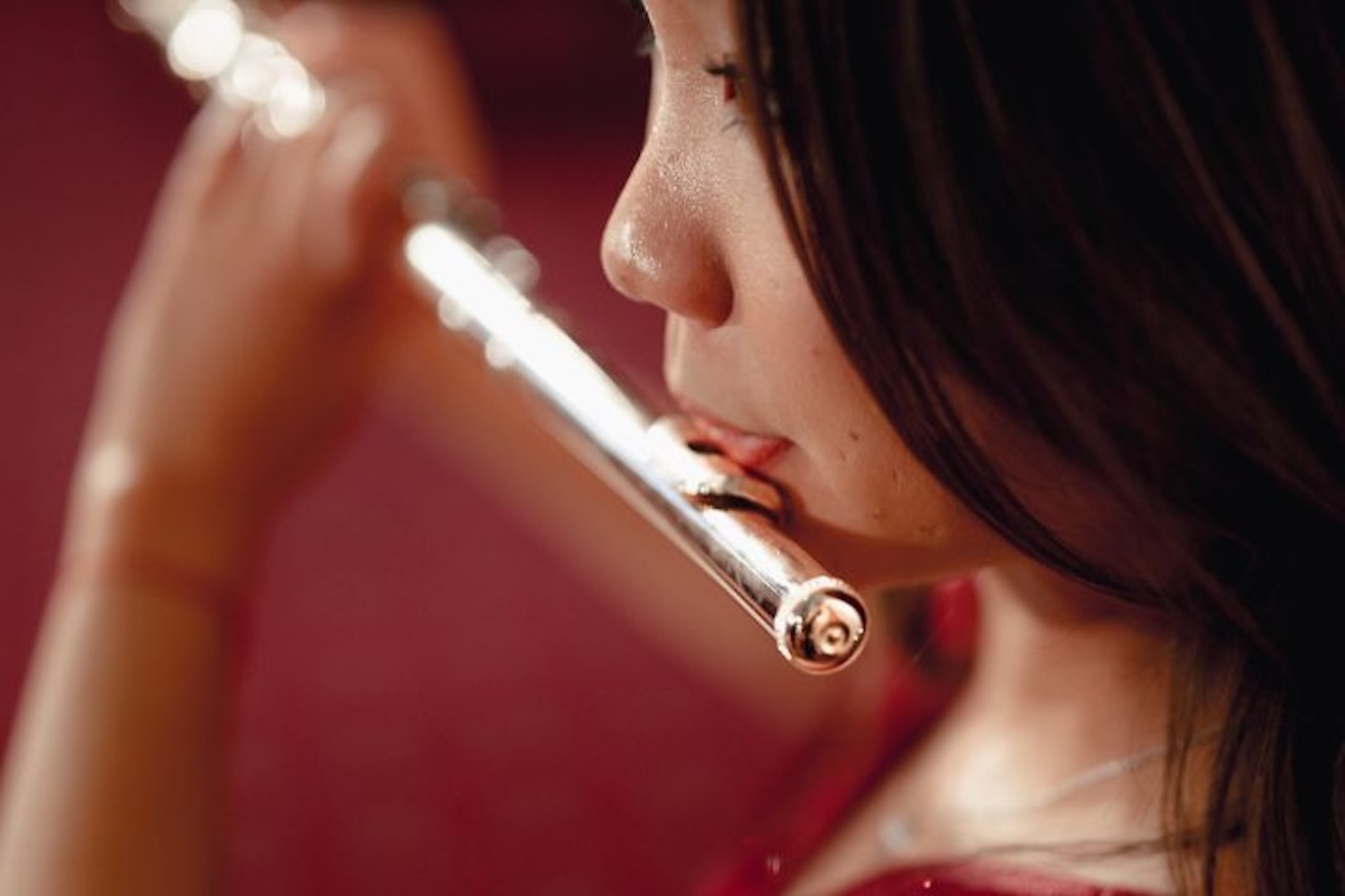
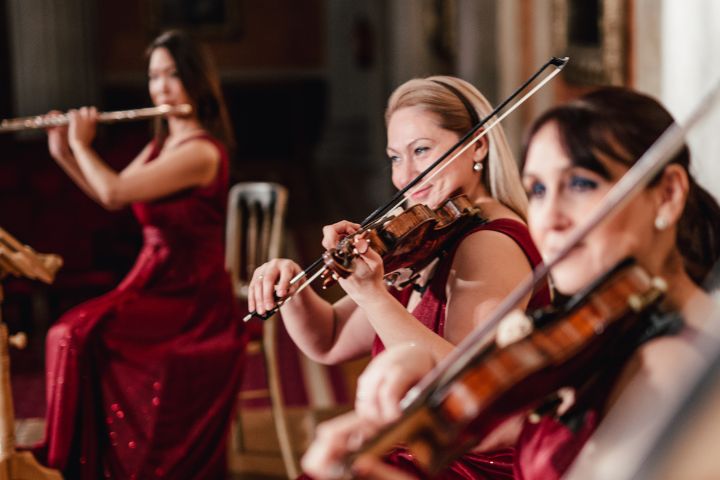
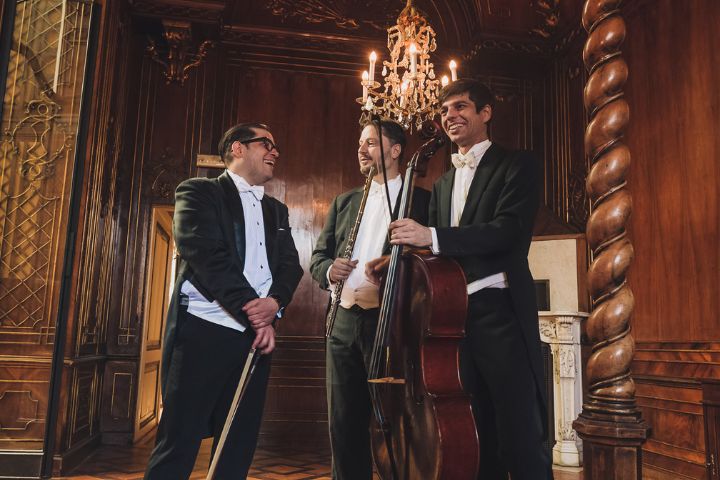
An ensemble can take many different forms: sometimes a string quartet, other times a combination of flute, violin, and piano. Ensembles are flexible, often specializing in specific styles or eras, or in new music. It is precisely this diversity that makes classical music so vibrant today.

Kleines Ensemble mit Tanzpaar in historischer Kulisse, Musiker:innen mit Streichinstrumenten.
Sinfonische Klangfülle auf großer Bühne

Why do musicians often count along secretly?

Even the best professionals don’t rely on feeling alone—internal counting helps them hit precise cues and rests. Especially in modern works with irregular time signatures or long rests between cues, you can sometimes see musicians quietly counting along, nodding, or even moving their lips—invisible mathematics in their heads, all while everything sounds effortless.

Sometimes this counting is vital—for example, when a cue comes after 87 bars of rest. That requires not only musicality but also timing and iron concentration.

Why does an orchestra tune up?

The tuning before a concert has a method to it: every instrument is brought to a uniform pitch – usually the concert A (A440 Hz). Initially, it might sound like a “mess” as each instrument briefly tests and warms up. But it’s more than just technique: musicians also tune in emotionally, arrive in the space, and feel the acoustics.

When the conductor then appears, the orchestra is ready – like a breath shaping into music. Many visitors experience this tuning as “acoustic chaos.” Yet, precisely in this moment, you feel the anticipation, the concentration, the tension. It’s like a collective breath before the leap – the beginning of a special evening.

Classical Music for Everyone – If Explained Correctly


Classical music isn’t an elitist mystery – it’s a living part of our culture, full of emotion, discipline, and history. If you ask the right questions, you’ll often find simple and fascinating answers. Whether it’s Mozart or Strauss, operetta or symphony – every detail has its place, every rule its reason. And the more you understand, the more you can enjoy. For many, access to classical music begins with a single question – and often ends in lifelong enthusiasm. That’s why our goal is to explain classical music openly, accessibly, and with a wink. Because those who understand what’s behind the music listen differently – more consciously, more deeply, more enthusiastically.