


When the orchestra plays, everything seems light, elegant, effortless. Yet, what is a perfect evening for the audience is rooted in decades of dedication and a training path that is among the toughest in the world. Hardly anyone knows: Behind every bow stroke are thousands of hours in the rehearsal room, and behind every performance stands a biography shaped by a relentless journey – from the first note to a seat in the orchestra. So, how does one actually become a professional musician?
Behind the Scenes
Life in the Orchestra: The Hard Road to Perfection
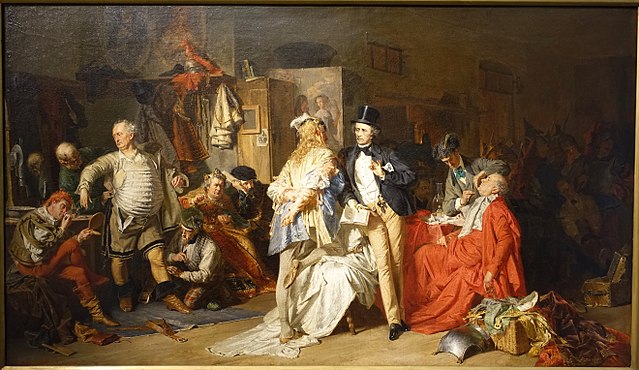
Music & The Journey Begins Early
For most, the journey to becoming a professional musician starts in early childhood, often at 4, 5, or 6 years old. What begins with seemingly playful exercises quickly becomes a structured daily routine: daily practice becomes second nature, often an hour or more even before school starts. Scales, technical etudes, first small performance pieces – this continues for years, without a stage, but with their sights set on the big goal: the entrance exam for a music academy. Regional competitions like “Jugend musiziert” (Youth Makes Music) often serve as initial tests and crucial milestones on this path.
The Needle’s Eye Audition: A Place at the University of Music
The Needle’s Eye Audition: A Place at the University of Music
Getting a spot at a renowned conservatory or university of music is like winning the lottery – except you have to work incredibly hard for it. Hundreds of highly talented young people from all over the world often apply for just a few available places. The entrance exam is brutally selective.
Practical Part: This involves performing a demanding program in front of a committee of professors. It often includes several movements of a solo concerto, a technically brilliant etude, and sometimes even orchestral excerpts – passages from well-known orchestral works. Here, it’s not just about flawless technique, but also musical expression, stylistic understanding, and stage presence.
Theoretical Part: Almost always, an examination in music theory (harmony, composition) and ear training (identifying and notating intervals, chords, and melodies) is also required. Those who fail here often don’t get a place, even with an excellent practical audition.
Education Between Pressure and Passion: The Studies
Main Instrument: Several hours of individual lessons per week with the main instrument professor, often a renowned soloist or orchestra musician themselves. Here, technique, sound, and interpretation are refined – expectations are immense.
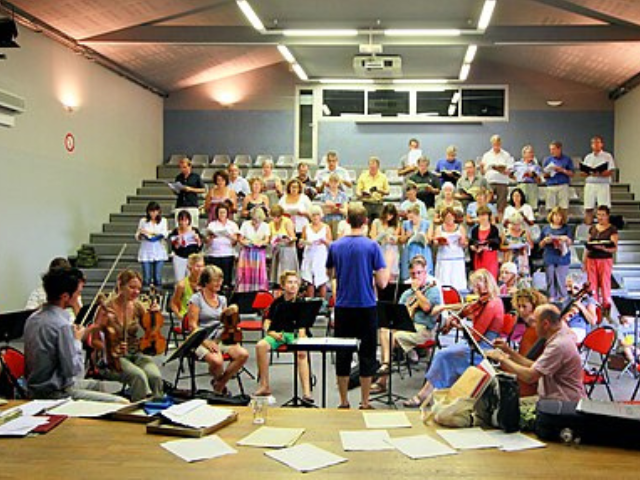
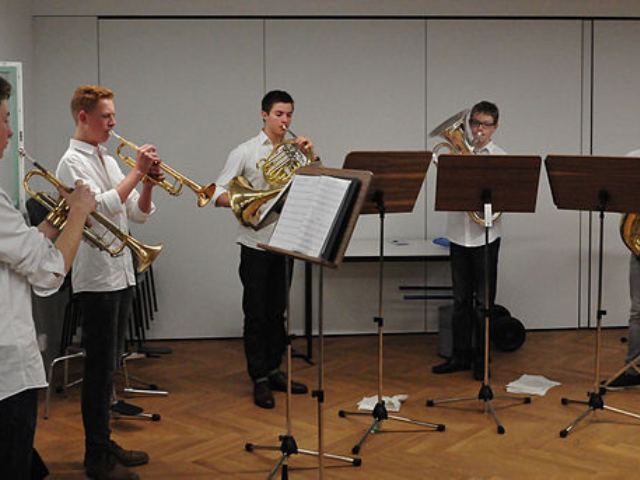
Orchestral and Chamber Music: Ensemble playing is central. Students play weekly in university orchestras and various chamber music ensembles (e.g., string quartet, wind quintet). Here they learn to listen, adapt, and react to conductors or ensemble partners – essential skills for daily orchestral life.
Theory & Knowledge: Subjects like music history, score analysis, form theory, acoustics, and instrumentology broaden their understanding. Ear training remains a constant companion. Piano is often a mandatory minor subject.
Practice, Practice, Practice: The majority of the day consists of independent practice. 4 to 6 hours daily are not uncommon, often in the small practice rooms of the university. It’s a lonely battle against technical difficulties and for musical ideas.
Constant Performance Pressure: Regular exams, internal performances (“class evenings”), public concerts, and constant comparison with highly talented fellow students create enormous pressure. Many suffer from performance anxiety or physical ailments due to overuse (e.g., tendinitis). Mental strength and perseverance are indispensable alongside talent.
Diving In Headfirst: Orchestra Auditions
After earning their Bachelor’s or Master’s degree, the real challenge begins: securing a permanent spot in a professional orchestra. This happens through auditions, which are similar to university entrance exams but even tougher. Applicants must perform perfectly prepared orchestral excerpts and solo concertos, often behind a curtain (“blind”) to ensure absolute objectivity. It’s not uncommon to go through dozens of auditions before landing a position.
What the Audience Doesn’t See
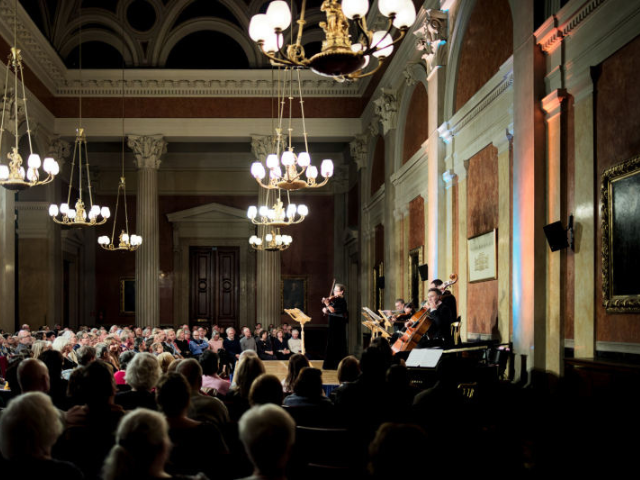
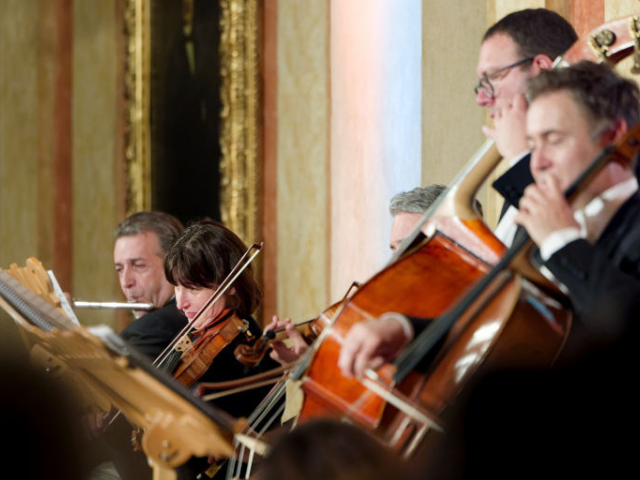
When the musicians of the Wiener Residenz Orchester step onto the stage, they carry all those years of training, practice, auditions, and sacrifices within them. What appears easy and effortless is the result of a lifelong commitment to music.
Why we love it anyway
Despite the pressure, the doubts, and the sacrifices: the passion for music, making music together at the highest level, and the moments when magic is created on stage are the rewards for all the effort. For this sound. For this connection. For the wonder in the hall.
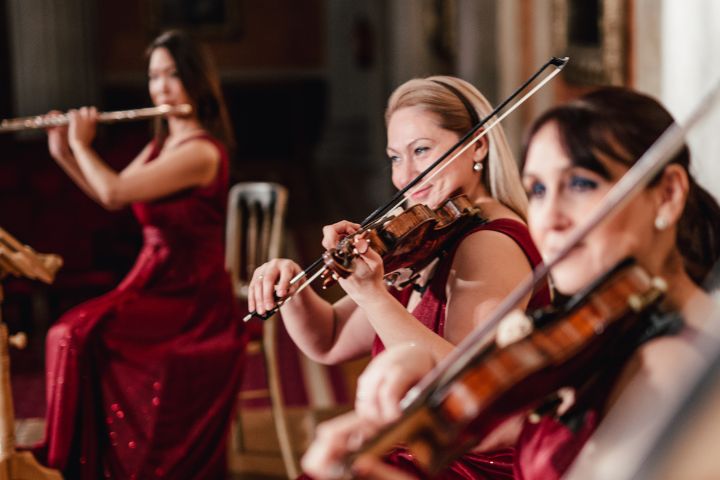
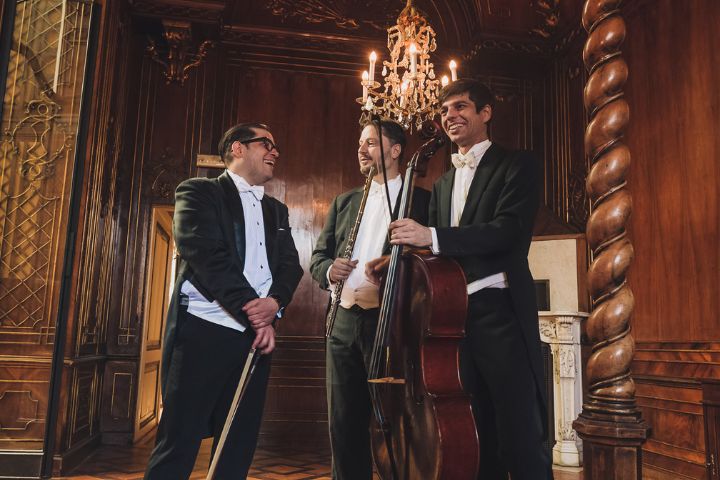
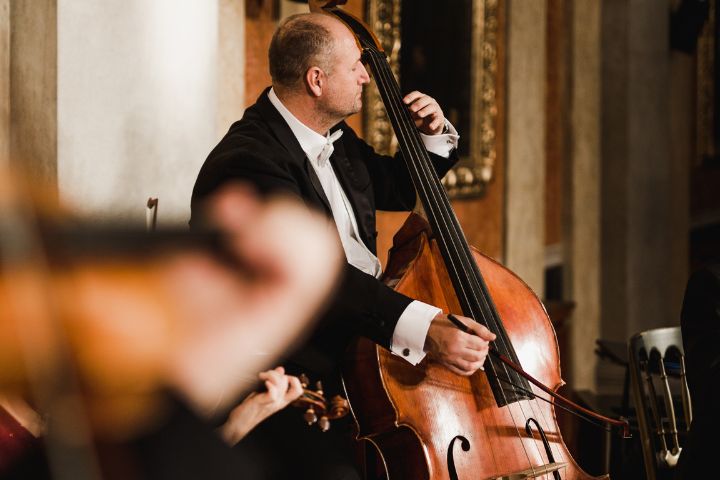
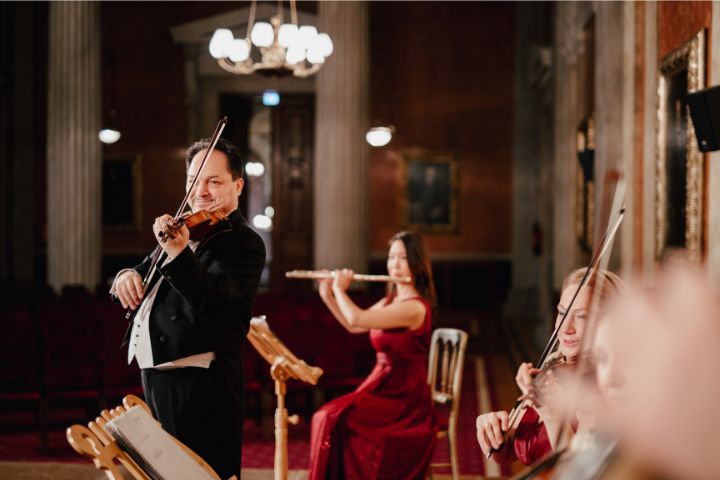
The Vienna Residence Orchestra, a chamber orchestra with a long tradition, performs works of Viennese classical music to perfection.