

From the Venetian orphanage to the imperial city of Vienna: Antonio Vivaldi shaped Baroque music like few others. Celebrated as a violin virtuoso and known as the “Red Priest”, he left behind a musical portrait of nature with “The Four Seasons” that continues to fascinate today with its dramatic structure and revolutionary playing technique.
Der rote Priester in Wien
Antonio Vivaldi und die Dynamik der Jahreszeiten
From Priesthood to Virtuosity
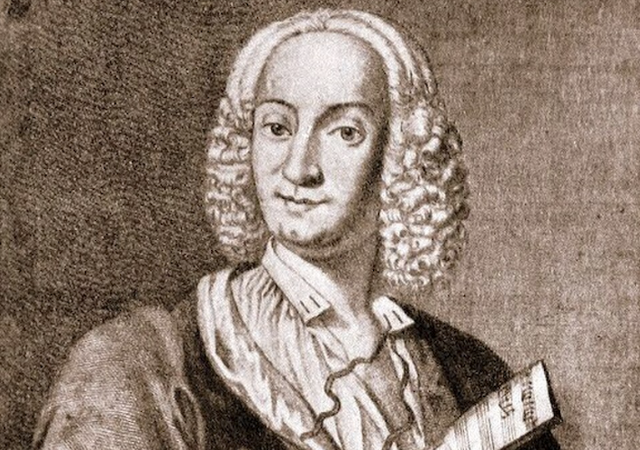
Antonio Vivaldi was born on March 4, 1678, in Venice, the son of a professional violin player. He showed a great talent for the violin at an early age, but decided to study theology and was ordained as a priest in 1703.
Due to the red hair color he inherited from his father, he was called Il Prete Rosso (the Red Priest). Following health problems, Vivaldi gave up the priesthood for good after only a year and a half and focused entirely on music.
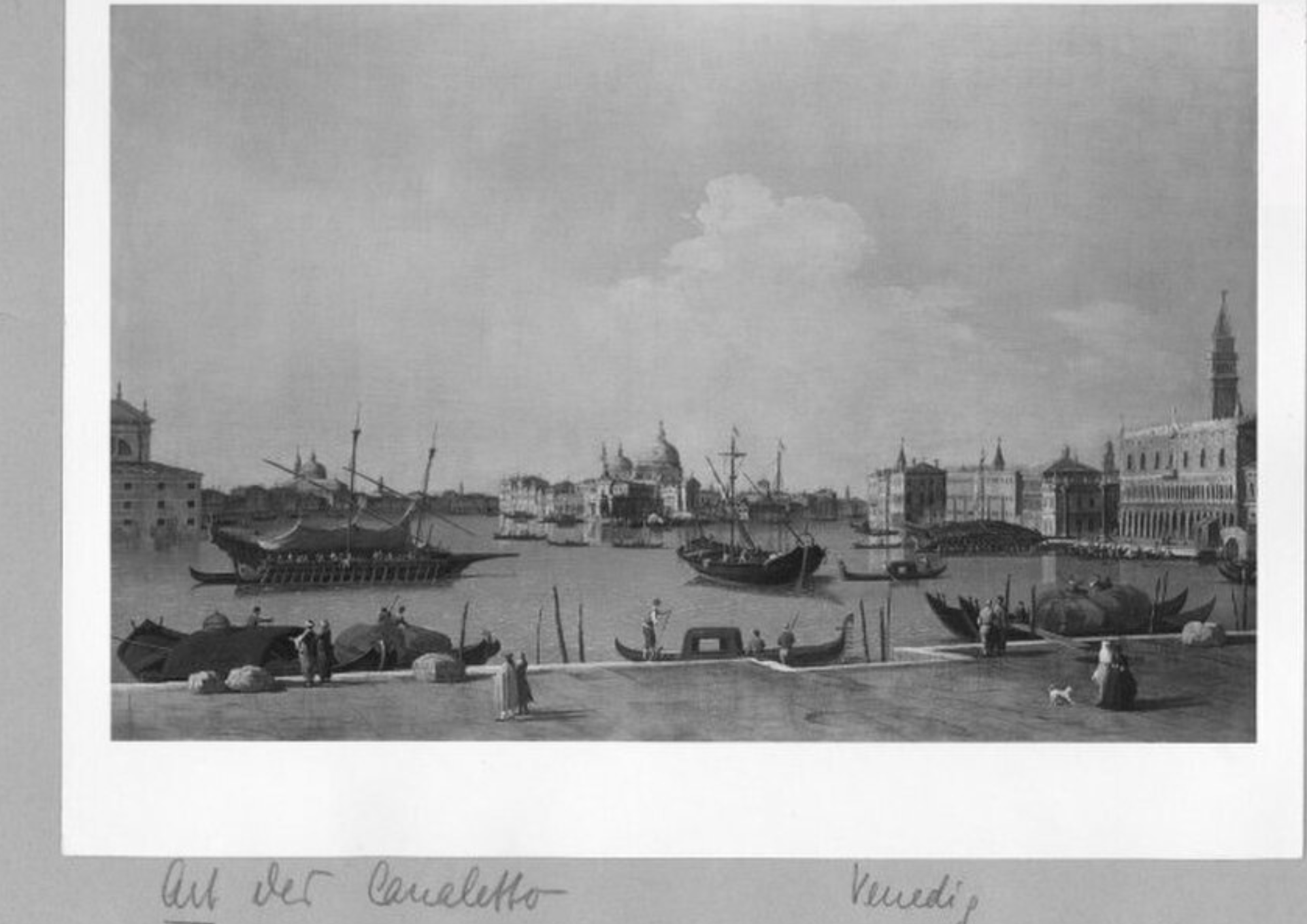
The Legendary Orchestra of Venice
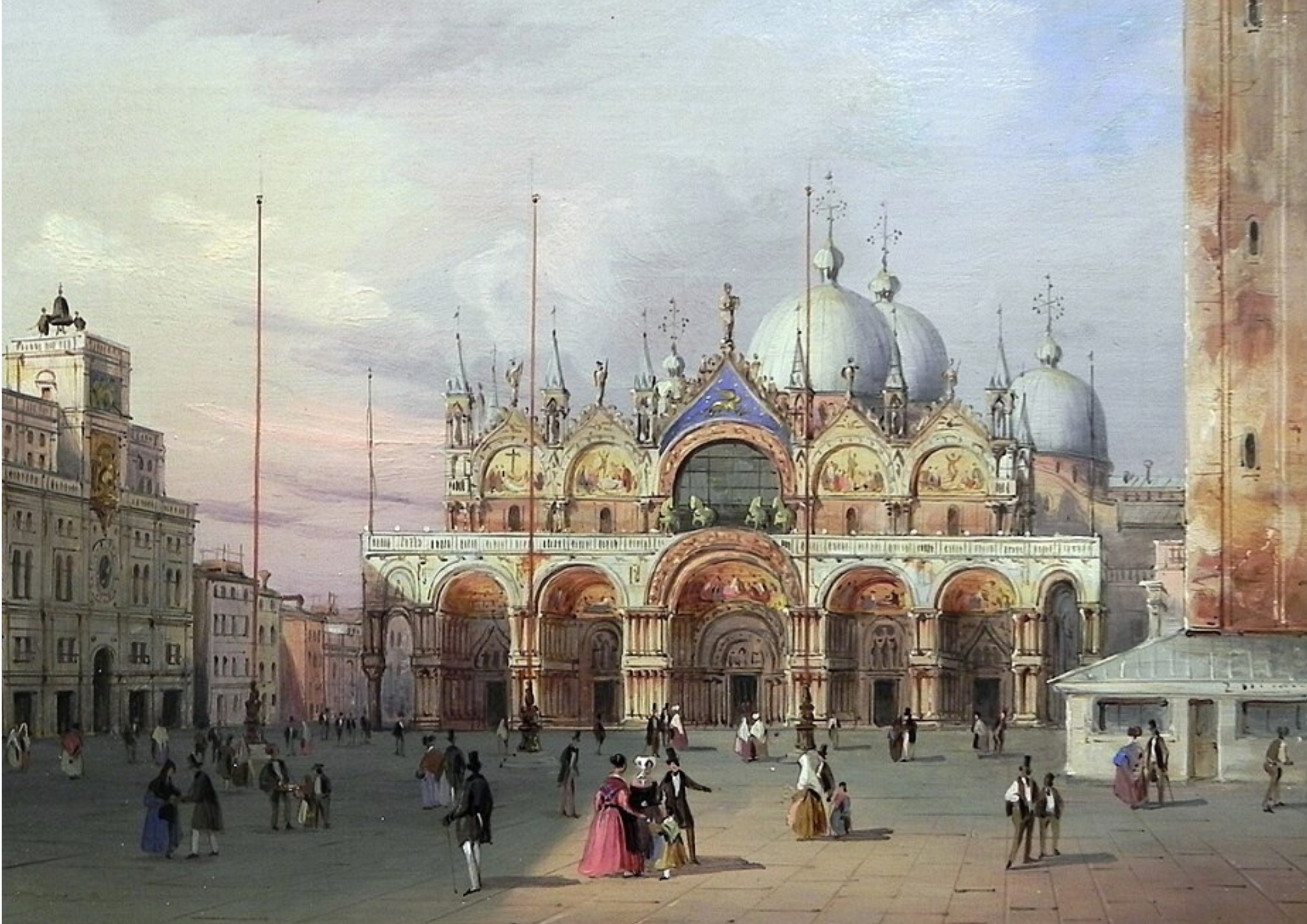
In Venice, he managed the orchestra of an orphanage for girls, which soon gained a legendary reputation for its time and attracted numerous visitors. He wrote most of his violin concertos and sonates for this ensemble.
In 1718, Vivaldi left Venice after disputes and worked in Mantua and Rome as an impresario and composer, before returning to Venice in 1726. By then, he was celebrated as a violin virtuoso; musicians from all over Europe traveled to hear him play.
The Call to Vienna and Oblivion
At the invitation of the art patron and music lover Emperor Charles VI, Vivaldi moved to Vienna in 1740. The invitation was extended in recognition of his achievements as a composer and his reputation as a virtuoso violinist.
At that time, Vivaldi was in poor health and facing financial difficulties. With the move to Vienna, he saw a chance for financial stability and better medical treatment. Unfortunately, his health continued to deteriorate – he died just one year later, in July 1741 in Vienna. After his death, Vivaldi’s music largely fell into oblivion before being rediscovered in the mid-20th century. Today, with nearly 500 concertos and over 50 operas, he is considered one of the greatest Baroque composers.
The Four Seasons: Nature as a Score
Vivaldi’s most famous work, “The Four Seasons”, is a collection of four violin concertos and one of the masterpieces of classical music. Each concerto represents a season and consists of three movements, each musically depicting a picture or atmosphere.
- Spring: describes flourishing nature, rustling leaves, and the season in its full splendor.
- Summer: focuses on the oppressive heat, thunderstorms, and the reawakening of nature after the storm.
- Autumn: highlights the harvest time, autumnal melancholy, and the hunt.
- Winter: begins slowly and shivering, leading past a peaceful evening by the fireplace into a fast finale that describes ice skating on a frozen lake.
Vivaldi’s experience as a virtuoso violinist and his knowledge of effective playing techniques benefited him in his compositions just as much as his work as an opera composer and his associated sense of effects and dramaturgy.
Vivaldi’s Masterpiece at the WRO
Um dieser musikalischen Naturtreue gerecht zu werden, bringt das Wiener Residenz Orchester immer exakt die Komposition auf die Bühne, die zur aktuellen Jahreszeit passt: Im Winter spielen wir die Winter-Konzerte, im Sommer den Sommer, im Frühling den Frühling und im Herbst den Herbst.
Ein Konzertabend im Zeichen des Komponisten, der seine letzten Lebensjahre in Wien verbrachte. Wählen Sie Ihren Wunschtermin und buchen Sie Ihre Tickets direkt online.
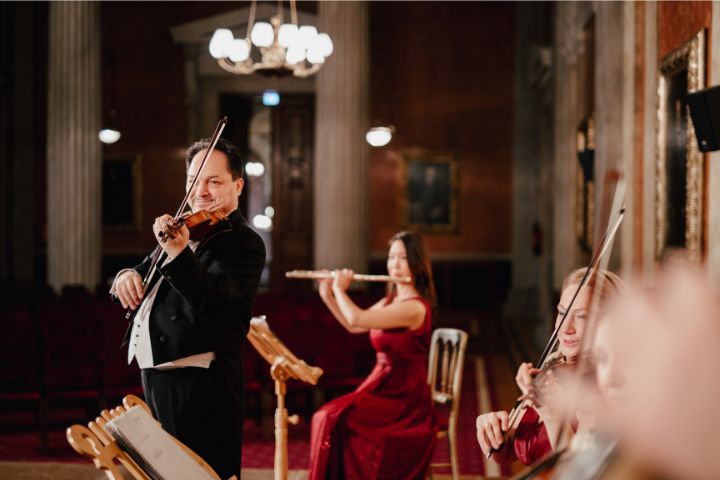
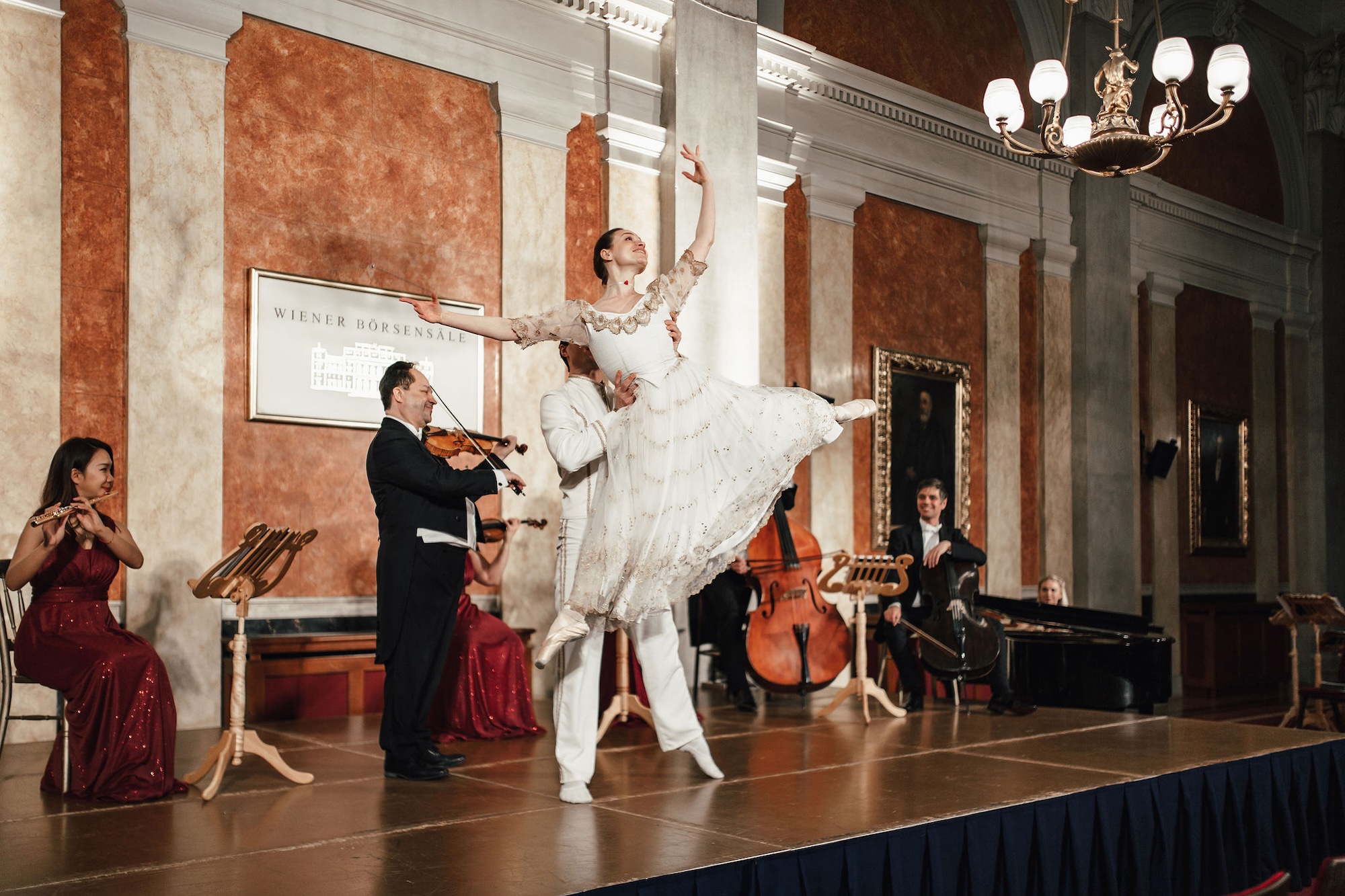
The Vienna Residence Orchestra, a chamber orchestra with a long tradition, performs works of Viennese classical music to perfection.